The fear isn't the number itself. It's being judged for it, and finding out too late that it was fixable.
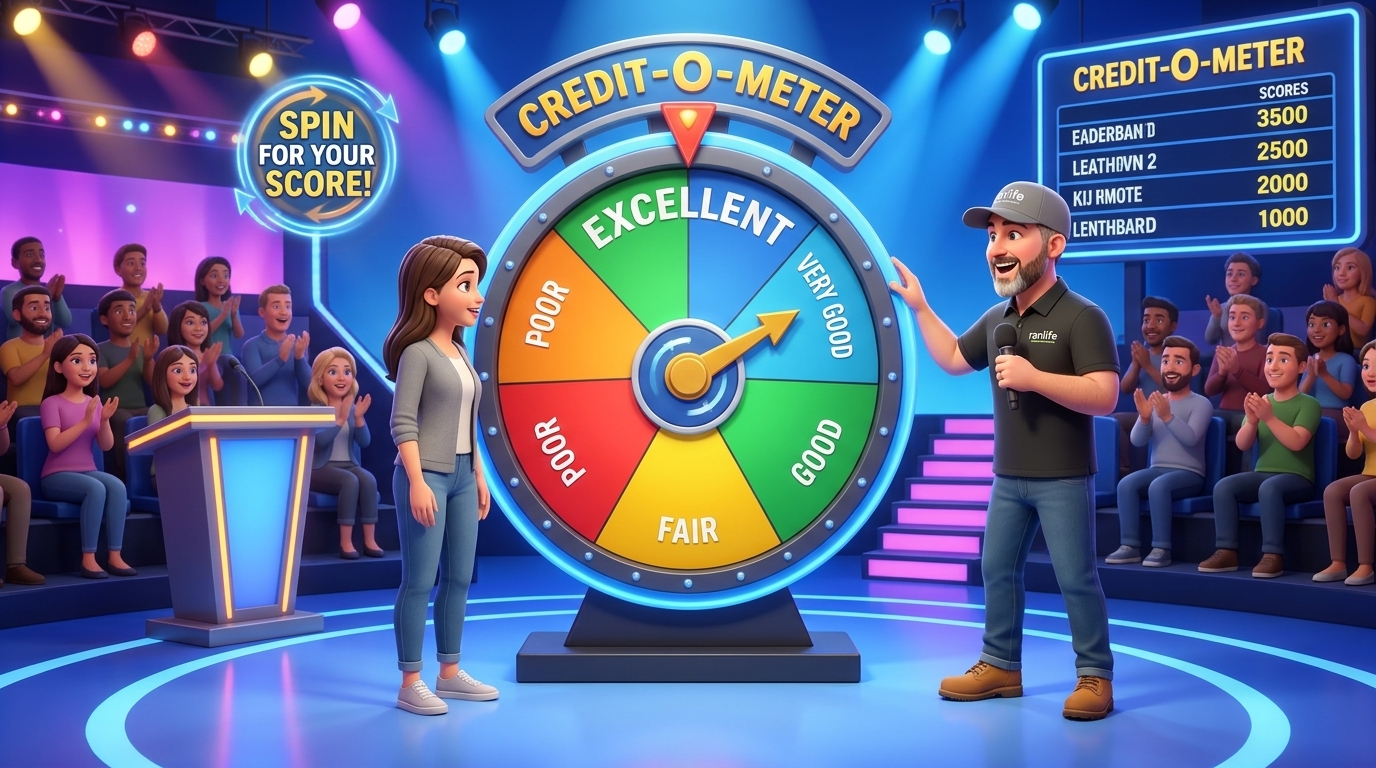
Most people don't avoid pulling their credit because they don't care. They avoid it because they're afraid of the answer, and afraid that the answer is a verdict on them as a person. It isn't. A credit score is a snapshot of how you've handled borrowed money, read on one day, and the thing nobody tells you is that it moves.
So say the quiet part: you think your number is too low and you think that means no. Not necessarily. Low is a starting point, not a sentence, and the gap between where you are and where you need to be is usually smaller and more mechanical than the dread makes it feel.
A score is not a measure of whether you're responsible. It's a measure of a few specific behaviors, and most of the weight sits in two places: whether you pay on time, and how much of your available credit you're using right now. That second one, utilization, is the one people don't know about and the one that moves fastest.
If your cards are near their limits, your score reads lower even when you've never missed a payment. Pay those balances down and the number can climb inside a single billing cycle. That's not a trick. It's the engine working the way it's built to.
The parts that move slowly are real too. Late payments age out but they take time. A collection doesn't vanish because you'd like it to. The length of your history is literally time, and nothing speeds that up.
This is where people hear "no" and stop. Don't. A number that's too low in January is often fine by March, because credit repair is mostly patience applied to the right things in the right order.
The one guaranteed failure is not looking. Opening the hood tells you what the engine needs. It is not a repair bill, and checking your own credit does not lower your score.
I bought my first home with no credit and no savings. The only reason it happened is a loan officer sat with me for months and built a plan first. Plans get built. That's the whole job. Your number is a starting line, not a finish, and the clock only starts when you look.
Educational content only — not a loan offer, rate quote, or commitment to lend. Program guidelines are general; your actual options depend on your full financial picture. Nic Feinstein, NMLS# 2830139, RanLife Home Loans (Corporate NMLS# 3151). Equal Housing Lender.